 |
|
|
B-24 Liberator Bombers - Story of the Worlds Largest Factory in WW2.
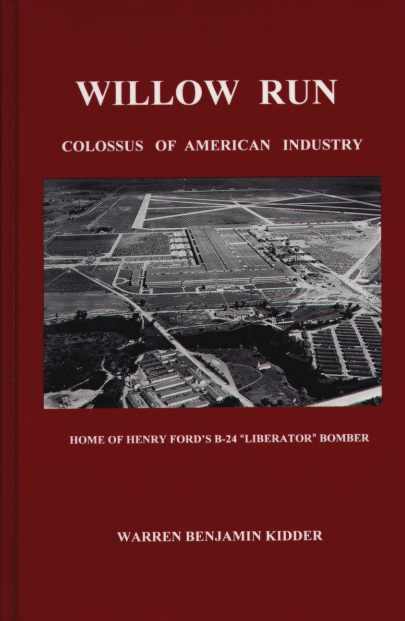
Willow Run, Colossus of American Industry, written by Warren Benjamin Kidder. A true story of the production of the B-24 Liberator and the building of the Willow Run Airport Bomber Plant.
Ejecutar el Willow Bombardero de plantas y
al aeropuerto,
B-24 Libertador Bombers - Historia del universo ms grande de la fbrica en WW2.
Willow Run is a book that was written by my friend Warren Benjamin Kidder about the B-24 Liberator, WW2 Bomber Production Plant and Airport near Detroit Michigan.The following pages tells about this great factory and production plant where the WW2 B-24 Liberator was built which uses many references from this book. This book is about the Willow Run manufacturing plant for the B-24 Liberators in the pastoral countryside east of Ypsilanti, Michigan, near the Village of Denton just outside of Detroit.. Ben Kidder was the last person to live on the Willow Run property before Ford Motor Company built the famous B-24 bomber plant. Ben actually met Henry Ford a couple of times and Mr. Ford knew Ben also. I've read a lot of this book, Willow Run, and it is very surprising that the Ford plant could complete these B-24 Liberators with a new B-24 's coming off of the assembly line every 56 minutes. This book, Willow Run, tells the whole story in great detail. The B-24 Liberator was built by license of the Consolidated Aircraft Corporation in San Diego, California. My Aunt was one of the workers at the consolidated Aircraft Company in San Diego building the B-24 Liberators. She was at my house today, here in Macomb. C. Jeff Dyrek. |
|
| Jet Fighters | WWII Fighters | WWI Fighters | NASCAR | Ships | Spacecraft | Tanks | Be sure to read on and
click on the below
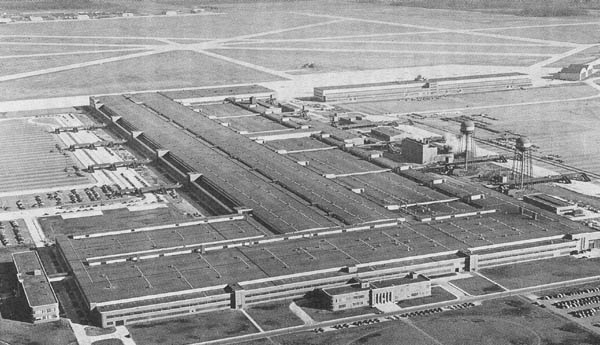
to see some exciting pictures of the Willow Run B-24 Manufacturing Plant built by Henry Ford
This is the cover from the Book by Warren Benjamin Kidder The Factory was designed and build by Charles E. Sorensen.
"Without Sorensen's Mass Production of the B-24
Bomber In the following pages you will
the Willow Run Tour Below
Learn about the Willow Run Airport History and the History of the building of the B-24 Liberator. Click the Arrow Below
Or Click Here to see the New Movie, Willow Run about
Henry Ford's 80 Acre Factory with a mile long assembly
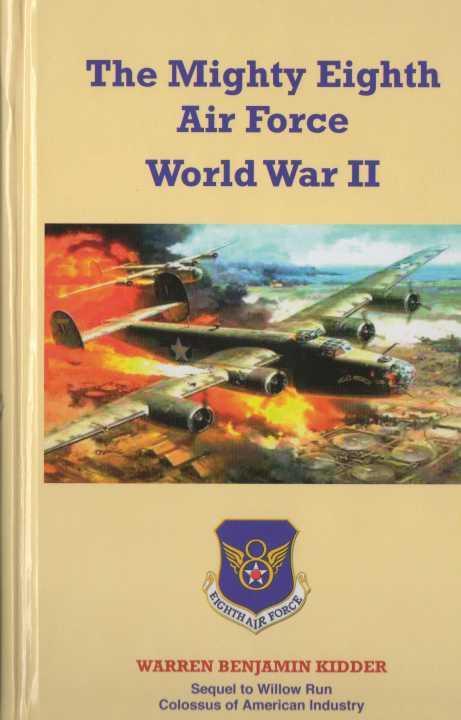
line. Click Here's Warren Benjamin Kidders New Book, The Mighty Eighth Air Force Click Here's the Movie Script for Willow Run
Click here for a Satellite Photo of the Willow Run Plant and Airport Today
Click Here's another Book Review about
a B-24 Pilot in WW2, Jessie Pettey,
Click Here to go to the
See the B-24 Research Exhibit by John Bybee
B-24 Liberator Movies B-24 Liberator Aviation Art B-24 Liberator Models B-24 Liberator Books
Click Here for a list of WW2 Fighter Groups Click Here to go to the YellowAirplane Online Museum Shelg i Run bombardues Bimt dhe Aeroportit, B-24 lirimtar shprthyes - Histori t botve n fabrikn m t madhe t WW2. الصفصاف فإن تشغيل المطار ومنفذ العملية النباتية ، ب 24 المحرر مهاجمون -- قصة أكبر مصنع في العالم في WW2. В Уилоу Пусни Бомбър завод и летище, Б-24 Освободител бомбардировачи - История на света Най-голям завод в WW2. El Sauce i Executar bombarder Planta Aeroport, B-24 Libertador Bombers - Histria de l'univers ms gran de la fbrica a WW2. 柳树运行轰炸机的植物和机场的B - 24解放者轰炸机-故事世界上最大的工厂WW2 。 柳樹運行轟炸機的植物和機場的B - 24解放者轟炸機-故事世界上最大的工廠WW2 。 Vrba Run The Bomber biljnu i Aerodrom, B-24 bombardera oslobodilac - Priča o Worlds Najveća tvornica u WW2. V Willow Zorganizuj Bomber budovy a letiště, B-24 Liberator Bombers - Přběh světů Největš Factory v WW2. Den Willow Run Bomber Plant og Lufthavn, B-24 Liberator bombefly - Historien om verdens strste fabrik i WW2. De Willow Run Bomber Plant en Airport, B-24 Liberator Bombers - Verhaal van 's werelds grootste fabriek in WO2. The Willow Run Bomber Taimede ja lennujaam, B-24 Liberator pomm - Story of maailmojen Suurimad tehases WW2. Ang Willow Patakbuhin bombero Plant at Airport, B-24 tagapagpalaya Bombers - Story ng mundo Pinakamalaking factory sa WW2. The Willow Run Bomber Kasvien ja lentokentt, B-24 Liberator pommikoneiden - Tarina maailmojen suurin tehdas vuonna WW2. Willow Run Bomber Plant et de l'aroport, B-24 Liberator Bombers - Histoire de la plus grande usine du monde en WW2. A Willow run bomb planta e do Aeroporto, B-24 Liberator Bombers - Historia do Universo Maior fbrica de WW2. Die Willow Run Bomber Anlagen und Flughafen, B-24 Liberator Bomber - Geschichte der weltweit grte Fabrik im 2. Weltkrieg. Η Willow Run Βομβαρδιστή Φυτικοί και αεροδρόμιο, Β-24 Liberator βομβιστές - Ιστορία της Worlds Largest Εργοστάσιο στο τέλος του 2ου Παγκοσμίου Πολέμου. מפציץ את Willow הפעלה פלאנט וכן התעופה, B-24 משחרר Bombers - סיפורו של העולמות המפעל הגדול ביותר של WW2. इस Willow भागो बॉम्बर संयंत्र और हवाई अड्डा, बी-24 मुक्तिदाता बम - स्टोरी WW2 में सबसे बड़ा संसारों फैक्टरी की. A Willow Run Bomber Nvny-s replőtr-, B-24 Liberator bombzk - Story of a Vilg Legnagyobb gyr WW2. Willow Run the Plant dan Bandara Bomber, B-24 pemerdeka Bombers - Cerita alam Largest pabrik di WW2. La Willow Run Bomber vegetali e aeroporto, B-24 Liberator Bombers - Storia dei mondi pi grande fabbrica in WW2. 爆撃機は、工場や空港ウィローラン、 B - 24爆撃機解放-ストーリー第二次世界大戦では世界最大の工場。 윌로우 실행 범인 공장과 공항, B 조 - 24 리버 폭파 범 - 스토리 WW2에있는 세계 최대의 공장. The Willow Run Bomber Augu un Airport, B-24 Liberator Bombers - stāsts no pasaulē Lielākā rūpnīcā WW2. The Willow Run Bomber Augalų ir oro uostas, B-24 Liberator BOMBONEŠIS - Story of the Worlds largest gamyklos WW2. Il-Willow Run Bomber Pjanti u Airport, B-24 Liberator bombi - Story tal-dinjiet akbar fabbrika in WW2. The Willow Run Bomber Plant og flyplassen, B-24 Liberator bombefly - Story av verdens strste fabrikk i WW2. The Willow Run Bomber Roślin i lotniska, B-24 Liberator Bombers - Story of the Worlds Largest Factory w WW2. A Willow Run Bomber Plant e do Aeroporto, B-24 Liberator Bombers - Histria do Universo Maior Fbrica de WW2. The Willow Run bombardier Plantelor şi Airport, B-24 eliberator bombe - Poveste de lumi Cel mai mare fabrica din WW2. Willow Выполнить Бомбардировщик завод и аэропорт, B-24 Освободителя Бомбардировщики - История мира Крупнейший завод в WW2. Врба Рун Тхе Бомбер биљну и Аеродром, Б-24 бомбардере ослободилаца - Прича о Уорлдс Највећа фабрика у УУ2. V Willow Spravte Bomber budovy a letisk, B-24 Liberator Bombers - Prbeh svetov Najvčš Factory v WW2. The Willow Run Bomber rastlin in letališče, B-24 Liberator Bombers - Zgodba o svetovi Največja Factory v WW2. El Sauce y Ejecutar Bombardero Planta Aeropuerto, B-24 Libertador Bombers - Historia del universo ms grande de la fbrica en WW2. Den Willow Run bomberen Plant och flygplats, B-24 Liberator Bombers - historien om vrldens strsta Factory i WW2. การวิล์ลอวรันเครื่องบินทิ้งระเบิดโรงงานและสนามบินบี-24 กู้อิสรภาพ Bombers - เรื่องราวของโลกโรงงานที่ใหญ่ที่สุดใน WW2. Ardından alıştır'ı Bomber Tesis ve Airport, B-24 bombardıman uakları Liberator - Hikaye WW2 yılında dnya Byk fabrikasında. Willow Виконати бомбардувальник завод і аеропорт, B-24 Визволителя бомбардувальники - Історія світу Найбільший завод у WW2. Cc Willow Chạy bomber Cy v Sn bay, B-24 Liberator Bombers - Story of the Worlds Nh my lớn nhất trong WW2. Avitop.com Aviation banner exchange - Join now!
/WebSite/Book_Reviews/Warren_Benjamin_Kidder/WillowRun_Cover.html|6310"
| ||||||||||||||||||||||||||||||||